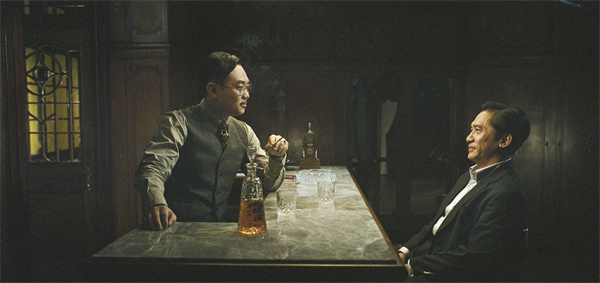
Hidden Blade (Film)
Overview
Hidden Blade is a Chinese espionage thriller directed by Cheng Er, a filmmaker with a distinctive cinematic style characterized by art-film sensibilities and non-linear storytelling. The movie is set in the historical context of Shanghai during the War of Resistance Against Japanese Aggression (1931-45). It is a tribute to the unsung heroes who risked their lives for their country. Featuring a stellar cast including superstar Tony Leung Chiu-wai and pop idol Wang Yibo, the film has captivated audiences both domestically and internationally.
Background and Setting
Director Cheng Er has a profound connection to Shanghai, often drawing inspiration from the city's rich history and unique atmosphere. Despite being a native of Jingzhou, Hubei province, Cheng has spent considerable time in Shanghai, where he led a "comfortable, elegant, and leisurely" life. This experience profoundly influenced his work, leading him to explore Shanghai's complex status during World War II. In Hidden Blade, Cheng revisits the city's turbulent past, depicting the conflicts and struggles among Japanese invaders, puppet governments, and resistance forces.
Plot and Structure
The narrative of Hidden Blade unfolds through several overlapping timelines between 1938 and 1946, filled with twists and suspense. Tony Leung stars as a high-ranking intelligence officer in Wang Jingwei's puppet regime, while Wang Yibo plays his subordinate. As the story progresses, the true identities of these characters are gradually unveiled as they navigate their dealings with the enemy. The film's intricate plot, characterized by Cheng's signature suspense and non-linear storytelling, explores themes of identity, loyalty, and betrayal.
Cast and Characters
The film's cast, led by Tony Leung and Wang Yibo, brings depth and complexity to their roles. Leung's portrayal of a conflicted intelligence officer offers a nuanced look at loyalty and betrayal, while Wang Yibo's performance adds a layer of intrigue and youthful vigor. The ensemble cast includes notable performers such as Zhang Ziyi, Ge You, and Japanese actor Tadanobu Asano, who contribute to the film's rich tapestry of characters.
Production and Style
Cheng Er is known for his meticulous attention to detail and unique filmmaking approach. Despite completing the script just before shooting began, he managed to attract top-tier talent, including Tony Leung, by showcasing his distinctive vision. Cheng often revises scripts during production, allowing for spontaneous creativity and innovation. This approach led to the creation of new scenes and characters, such as the CPC underground worker turned traitor, portrayed by Huang Lei
Food plays a significant role in Hidden Blade, serving as a metaphor for the complexity of human nature. The film features a variety of dishes from Chinese, Japanese, and Western cuisines, each carefully selected to enhance the narrative and character development. One notable example is "drunken shrimp," a dish from Ningbo, which symbolically represents the duality of brutality and compassion. Cheng believes that significant life moments often occur around the dining table, and he uses these culinary elements to drive the story forward.
Reception and Impact
Since its release in 2023, Hidden Blade has performed exceptionally well at the box office, both in China and internationally. It grossed over 920 million yuan ($132.8 million) in China, making it one of the highest-grossing films of the year. The film's success is a testament to Cheng's ability to blend historical drama with engaging storytelling. It also reflects the broader trend of Chinese filmmakers striving to make a mark on the global cinematic landscape following adjustments to pandemic-control measures.
Artistic and Historical Significance
Hidden Blade is not just an espionage thriller but also an artistic exploration of Shanghai's historical narrative during a time of war and occupation. Cheng Er, through his nuanced direction and storytelling, provides audiences with a window into the complex interplay of espionage, loyalty, and moral ambiguity that defined the era. The film's historical setting is meticulously crafted to reflect the realities of the time, making it a significant contribution to Chinese cinema's portrayal of its past.
Cinematic Techniques and Storytelling
Cheng Er employs various cinematic techniques to create a layered narrative in Hidden Blade. His use of non-linear timelines and suspenseful plot twists keeps audiences engaged while gradually revealing key character motivations and historical contexts. The film's visual style and attention to period detail enhance the authenticity of the setting and the emotional depth of the story. Through these techniques, Cheng successfully immerses viewers in the espionage-filled world of wartime Shanghai. Article reference1. Hidden Blade is cutting edge. chinadaily.com.cn. 20232. 'Hidden Blade' tops Spring Festival presale box office. chinadaily.com.cn. 2023Photo Gallery(6 pictures)CategoriesArtsTagFilm and TVCatalogue1. Overview2. Background and Setting3. Plot and Structure4. Cast and Characters5. Production and Style6. Reception and Impact7. Artistic and Historical Significance8. Cinematic Techniques and Storytelling- - - []








